
By Conservation Areas initiative
The lands and waters of Manitoba’s Interlake are essential habitats for more than 300 migratory birds. From various waterfowl and shorebirds, to warblers and other long distance travelers, these birds depend on the wetlands between Lake Winnipeg and Lake Manitoba for food, shelter, and resting opportunities they need throughout their yearly migrations.
The Interlake sits within the larger Mississippi and Atlantic Flyway’s, which are two important ‘flight highways’ used by millions of migratory birds travelling from one end of the continent to the other. These routes guide countless species north to their breeding grounds each spring and back south before winter arrives.
We will take a closer look into the birds that rely on the Interlake’s diverse landscapes, the importance of its wetlands, and what we can do to support these species on their journeys.
The Species
Each migration season brings a rich variety of birds to the Interlake, some notable species include:
Lesser Scaup
Lesser scaups are the first ducks to head north in the spring, after wintering in the southern United States. These birds are also the last to leave south again in the winter. This species was once one of the most abundant duck species in North America, though their populations have been declining in the last 20 years. Lesser scaups are also great at managing pest populations and keeping invasive species. like zebra mussels, at bay.
American White Pelican
As one of the largest migratory birds in North America, this species calls the calm shores of the Interlake home throughout the summer months, and migrates south all the way into Mexico for the winter months. In migrations routes, this species will stop on lakes and rivers foraging for food in shallow waters.
Bald Eagle
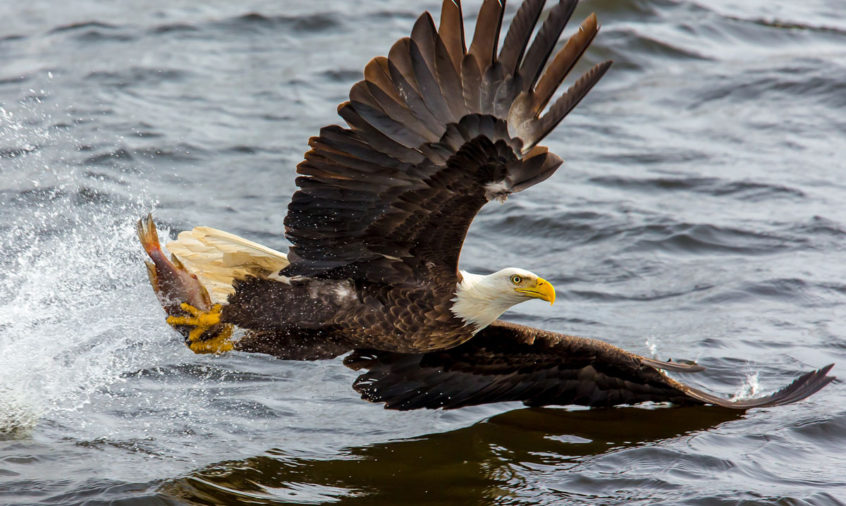
Yes, the bald eagle is a migratory bird! Though many adult bald eagles will find permanent residences in southern and coastal regions, throughout the interlake it is less common to see a bald eagle during the winter months. It is typical for this species to migrate based on the food available to them in a region, and will often return to their breeding grounds when weather and food permit.
The Lands and Waters
Wetlands and riparian areas are among Manitoba’s most ecologically significant ecosystems, yet they are also one of the most threatened. According to the Province of Manitoba and research by Ducks Unlimited, roughly 70% of wetlands in settled regions of Canada have been lost or significantly degraded.
Wetlands come in several forms, including bogs, fens, swamps, and marshes. They’re typically categorized into two main types: organic wetlands and mineral wetlands. Organic wetlands include bogs, fens, and sometimes swamps. These areas build up thick layers—over 40 cm—of organic material called peat, which forms from the slow decomposition of plant matter in waterlogged conditions. Mineral wetlands include swamps, marshes, shallow water bodies (like ponds, sloughs, oxbows, and shallow lakes), and salt marshes (tidal wetlands). These wetlands may contain some organic material, but the peat layer is much thinner—less than 40 cm—and the soil is primarily mineral-based.
Wetlands do more than host birds, they collaborate with them. Just as the wetlands provide productive habitat for waterfowl, migratory birds add their own splash of biodiversity with every pit stop. Waterbirds introduce other aquatic, plant, and invertebrate species into newly restored habitats each time they visit along their flight paths in a wetland-to-wetland delivery method.
Important Areas
The Interlake is currently home to a few important conservation sites that provide essential stop over points for migrating birds. One example is the Riverton Sandy Bar Important Bird Area (IBA), a significant staging ground for waterfowl and shorebirds.
Wildlife Management Areas in the region including Moose Creek WMA, Lee Lake WMA, Broad Valley WMA, Mantagao Lake WMA and David G. Tomasson/Washow Bay WMA also provide habitats for species travelling between Lake Winnipeg and Lake Manitoba.
Conclusion
Despite the Interlakes ecological richness, migratory birds face mounting pressures, including; changing land uses, wetland drainage, doubt conditions, habitat loss and more. These factors can disrupt migration patterns and create long term survival issues.
Protecting the wetlands and natural habitats within the Interlake region for these incredible migratory species can help them to continue their remarkable journeys for generations to come.
How to Learn More
Check out Audubons migratory bird explorer.
Read our blog to learn how to identify bird calls, “What’s that sound?”