History
The Conservation Areas Initiative is a community-led, regionally tailored effort grounded in made-in-Manitoba approaches to protecting natural landscapes, cultural heritage, and the long-term economic future of Manitoba’s Fisher Bay region. It builds on years of collaborative conservation work, expanding on the original vision that led to the establishment of Fisher Bay Provincial Park in 2011. Fisher River began this initiative with the intent to preserve the intact natural landscapes around Fisher Bay, and ensure that the regional ways of life that depend on healthy lands and waters are able to continue indefinitely, while promoting sustainable economic development. This process was designed to be informed by our regional neighbours, and all who seek to enjoy our shared lands and waters.
Fisher Pay Park Reserve
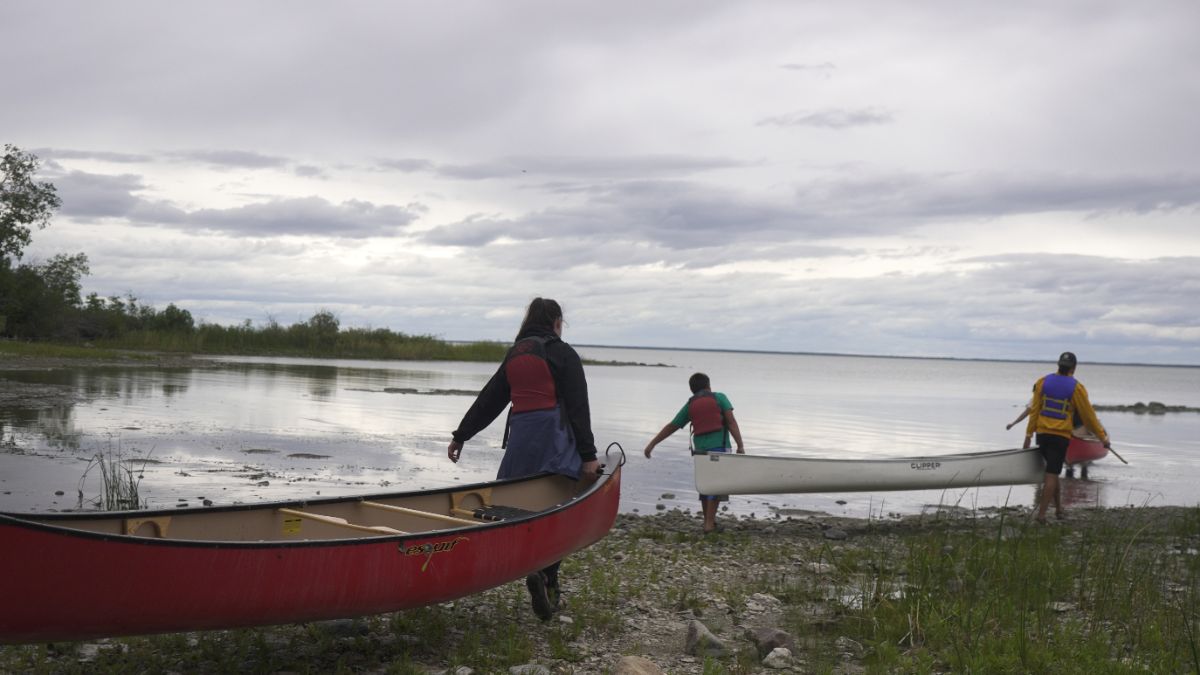
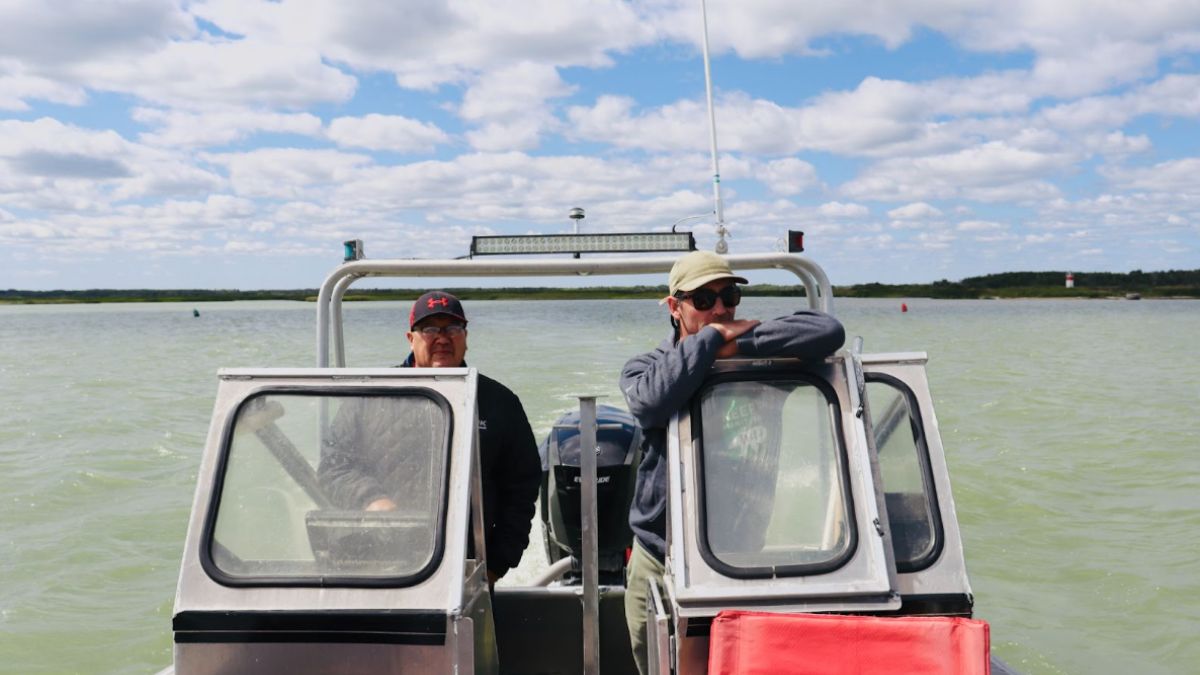
In 1999, the Ochiwashow (Cree word for Fisher Bay) Park Reserve, an area of 89,000 hectares, was established to provide interim protection. This area of boreal forest along the shores of Lake Winnipeg is around 70% water. However, Fisher River Cree Nation’s goal was to make this area the basis for a provincial park to protect the lands and waters here for nature, culture, and sustainable tourism opportunities.
Interim protection was extended to 2005. That same year, FRCN formed a partnership with the Western Canada Wilderness Committee to help make the vision of a legally designated provincial park a reality.
At that time, CPAWS Manitoba’s current Executive Director, Ron Thiessen, was leading the Manitoba branch of the Wilderness Committee. When Ron transitioned to his new role at CPAWS in 2006, FRCN chose to continue the partnership with him, carrying it forward to CPAWS Manitoba.
Provincial Park Status
In 2007, The Fisher River Cree Nation proposed a scenic wilderness park four times the size of Winnipeg (160,000 hectares) be created to permanently safeguard the area from all industrial developments. This initiative is part of the community’s journey to protect nature, culture, and economic opportunity. In 2008, more than 9,000 other members of the Manitoba public sent a letter to the premier to demonstrate their desire for the creation of the Fisher Bay park, according to a press release from 2008. “Securing the area in its natural state will ensure that traditional activities can continue and will allow us to build our local economy with eco- and cultural tourism ventures,” said the FRCN Chief David Crate in 2008. “It’s a good way to make sure our treaty rights are upheld and abundant wildlife populations remain strong.”
July 4, 2011, was a day of celebration for many. After many years of negotiations, a study completed by Indigenous Environment and Resources, engagement, and hard work, the leaders of Fisher River Cree Nation, The Manitoba government, and the Canadian Parks and Wilderness Society (CPAWS), met at the Legislative building to announce the new Fisher Bay Provincial Park.
“After many years of hard work, it’s a joy to be here today to announce park protection for this beautiful and culturally important area,” said FRCN Chief David Crate.“ This designation ensures that traditional activities can be maintained on the landscape and people from Manitoba and across the world can visit and enjoy the natural surroundings.”
The Fisher Bay Provincial Park received support from politicians of all stripes, local communities, environmental groups, and over 25,000 Manitobans who sent letters to the Premier.
Conservation Areas Initiative
Although establishing Fisher Bay Park was a major success, as of 2025, the proposal to expand its 89,000 hectares to 160,000 has not yet been adopted. FRCN, CPAWS, and other rightsholders and stakeholders believed the original park reserve boundaries were too limited, focusing mainly on the shorelines and Fisher Bay itself.
“The area of protection should be expanded to 160,000 hectares…the creation of cottage lots and camping areas were under consideration to promote limited tourism, but that wilderness preservation is the key focus,” said Chief Crate.
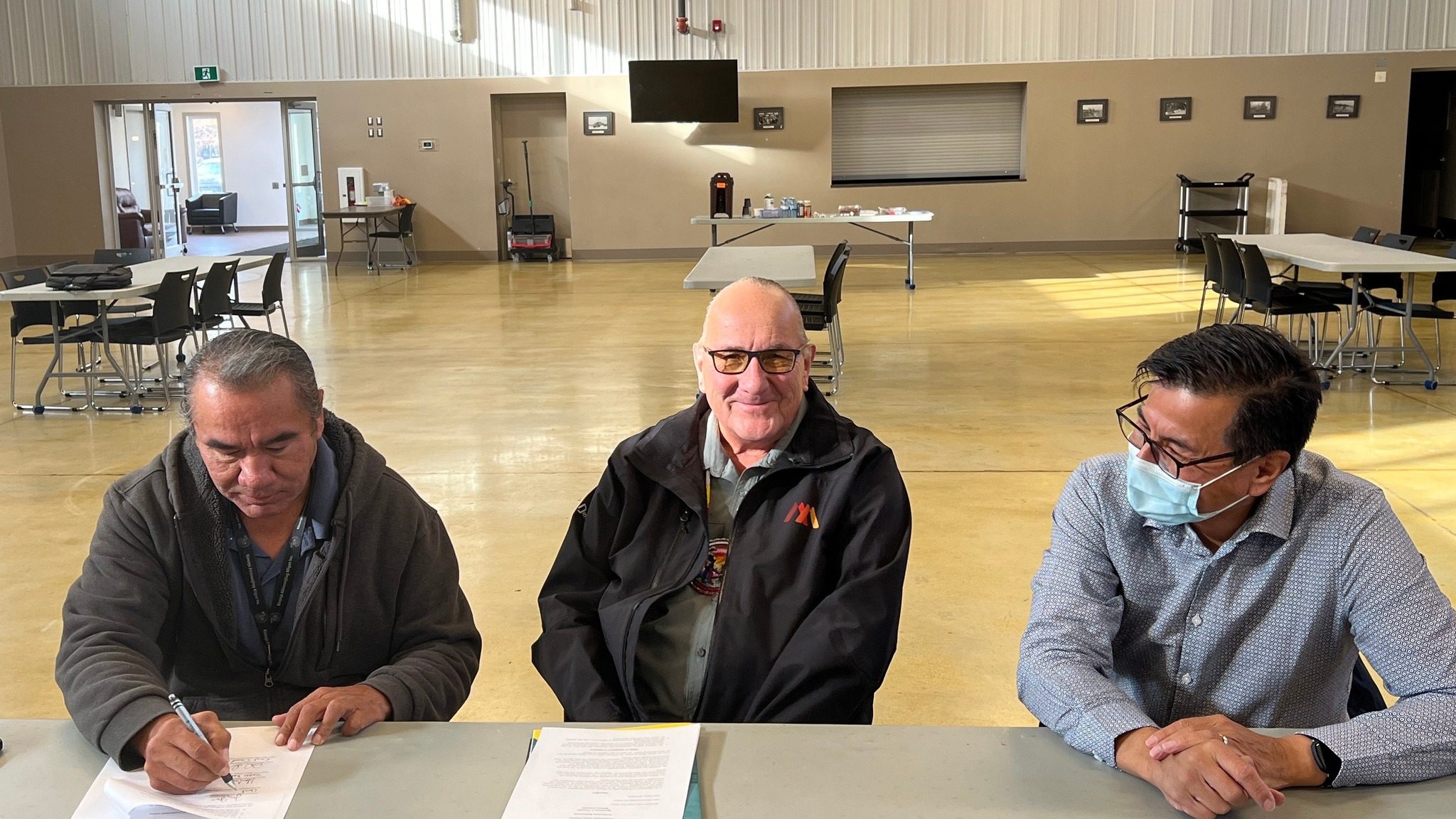
The exclusion of these natural areas of deciduous old-growth, valuable wetlands, bog and fen communities, wildlife habitat, and traditional land-use areas, almost 10 years later, influenced the launch of the current Conservation Areas Initiative. In 2021, a virtual event announced the launch of a new interconnected and shared goal to safeguard the lands and waters with Peguis First Nation as a partner. Kinonjeoshtegon First Nation officially joined in 2024. Aiming to protect the health of the natural landscapes, the three Nations partnering on the Conservation Initiative have agreed to
work together in supporting the Initiative’s outcomes.
As of 2026, we've had 22,140 letters of support for the initiative.